

Pasadena's DIY Music Scene Puts Down Roots: Lessons for LA Founders
A teen music venue born after the Eaton Fire and a musician-run record shop found homes in Pasadena. What L.A. music and live-event founders can learn.
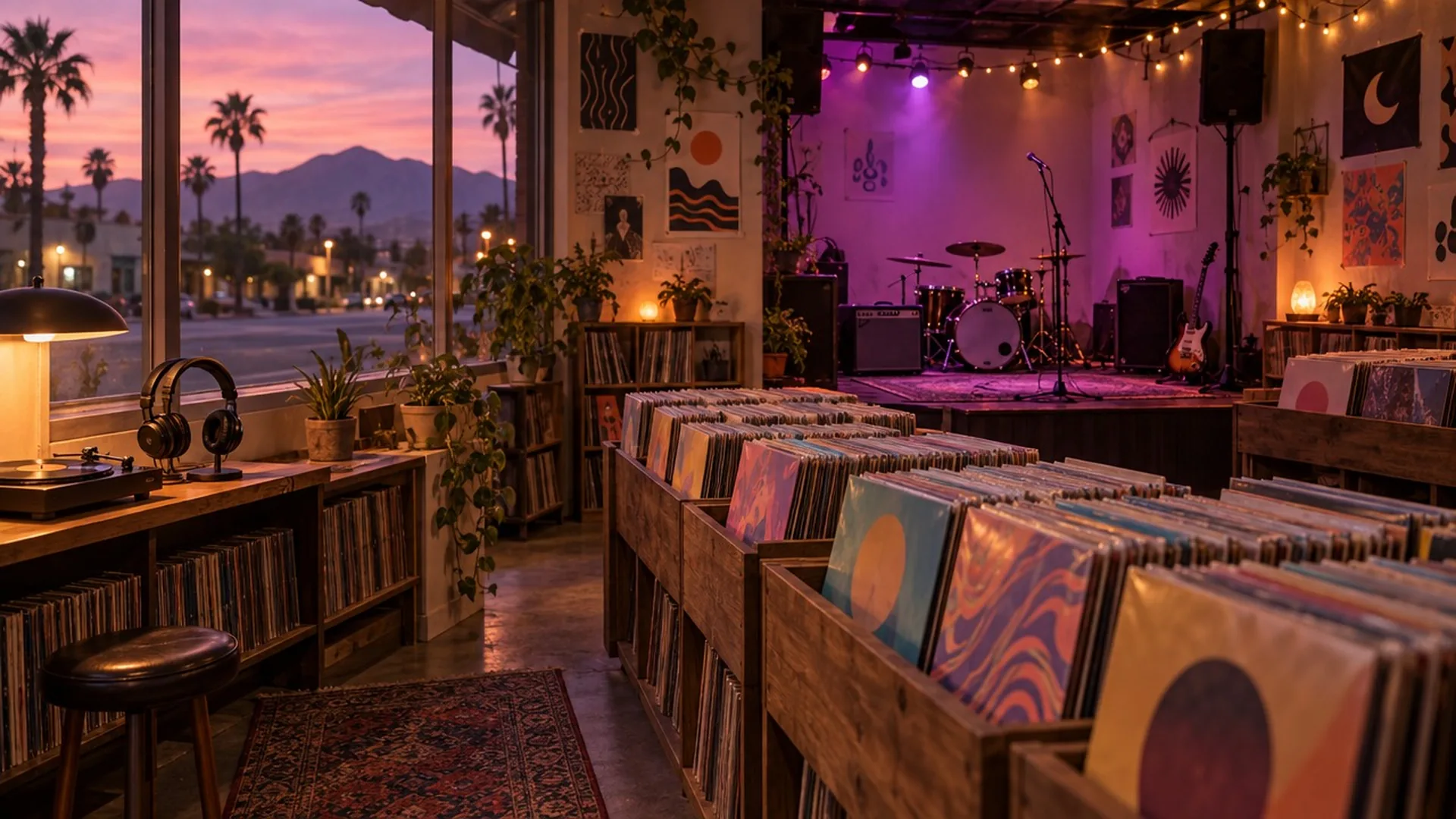
Pasadena's grassroots music scene has spent the past year rebuilding after the Eaton Fire, often in borrowed rooms. This month, two small music businesses there showed what it looks like to put down roots: an all-ages venue for teen bands that finally has a permanent address, and a musician-run record shop betting on low prices and live sets. Both offer useful lessons for L.A. entrepreneurs building in music and live events.
Backyard Party gets a permanent stage
LAist reported on Nov. 21 that Backyard Party, a music nonprofit that stages shows for young bands, has opened a permanent venue at 1250 Lincoln Ave. in northwest Pasadena, in a business park off the 210 Freeway near the Altadena border. The project formed after the Eaton Fire destroyed many of the backyards, garages and schools where young musicians would otherwise have played. Since then it has staged dozens of pop-ups in shops, homes and other borrowed spaces.
According to LAist, the new home is a 2,600-square-foot space in the same business park where the group held its first show in September 2025. The organizers had nearly committed to a space in Cypress Park, reasoning that a central location would be easier for bands and fans from across Southern California, but that deal fell apart days before it was set to open. A co-founder then contacted the Pasadena landlord, who had the larger unit available.
The model is simple and deliberate: all-ages, alcohol-free shows, tickets typically $10 to $15, and every band gets paid. The nonprofit covers expenses through donations, sponsorships and partnerships, and teen volunteers help run shows and the merch table. Organizers told LAist that presale tickets for opening night came from as far as Chino and Fresno, a sign that demand reaches well beyond the neighborhood.
Sibylline Records bets on affordability
A few miles away, Pasadena Now profiled Sibylline Records on Nov. 17. The shop, at 15 S. El Molino Ave. in the Playhouse District, is owned by Shane Butler and Caity Shaffer, and its staff are working musicians and DJs. The owners had already built a large online record business before a chance call about a collection for sale led them to the storefront, which previously housed the coffee shop Zona Rosa.
The owners described a clear strategy: keep bins stocked with $5 and $10 records, $1 CDs and items at $3 and under, and price even rarer finds reasonably rather than becoming a store where everything starts at $40. Butler estimated the stock leans roughly 70% toward lesser-known titles and 30% toward mainstream classics. Because the shop buys and sells used records, it can also buy self-released records directly from artists and small labels. It hosts in-store performances, poetry readings and DJ sets, and plans more jazz. The owners named cash flow, balancing the records people bring in against what sells, and shipping supplies as their toughest recurring costs.
Lessons for L.A. music entrepreneurs
Prove demand before you sign a lease. Backyard Party ran a year of pop-ups before committing to a permanent room. That history gave its founders evidence of an audience, a volunteer base and a sense of what size space they actually needed.
Have a backup site in mind. The Cypress Park deal collapsing days before opening is a reminder that leases fall through. Keeping a relationship with a landlord who knows you, as Backyard Party did, can turn a setback into a quick recovery.
Price for your community, then earn on volume and loyalty. Both businesses keep entry prices low on purpose. For a teen venue, that means $10 to $15 tickets. For a record shop, that means bargain bins that bring in browsers who may later buy something pricier. Low prices only work if costs are tightly managed, so track margins by category.
Pay artists and say so. Paying every band and buying directly from local musicians builds goodwill and word of mouth among the people who fill your room and your bins.
Turn retail into a venue. In-store sets give a shop a reason for repeat visits and new audiences, and give musicians a place to play. Check your lease, occupancy limits and any city permit requirements before hosting regular events.
Build a hybrid revenue mix. Sibylline pairs a storefront with an established online business. Backyard Party mixes ticket sales with donations and sponsorships. Neither depends on a single stream.
For more on music and creative spaces, see our look at Serato SoundSpace in the Arts District, and for fire-affected owners, our Eaton and Palisades recovery resources guide.
The bottom line
Neither business is large, but both show how L.A.'s music economy rebuilds from the ground up: by testing demand, keeping prices within reach, paying artists and giving people a reason to show up in person.
Sources: LAist, Nov. 21, 2026; Pasadena Now, Nov. 17, 2026. Event and permitting tips are general guidance.