

Serato's Arts District SoundSpace: A Playbook for LA DJs and Producers
Serato opened SoundSpace, a 4,500-sq-ft DJ and producer studio in L.A.'s Arts District. How local artists can use brand-backed rooms to grow.
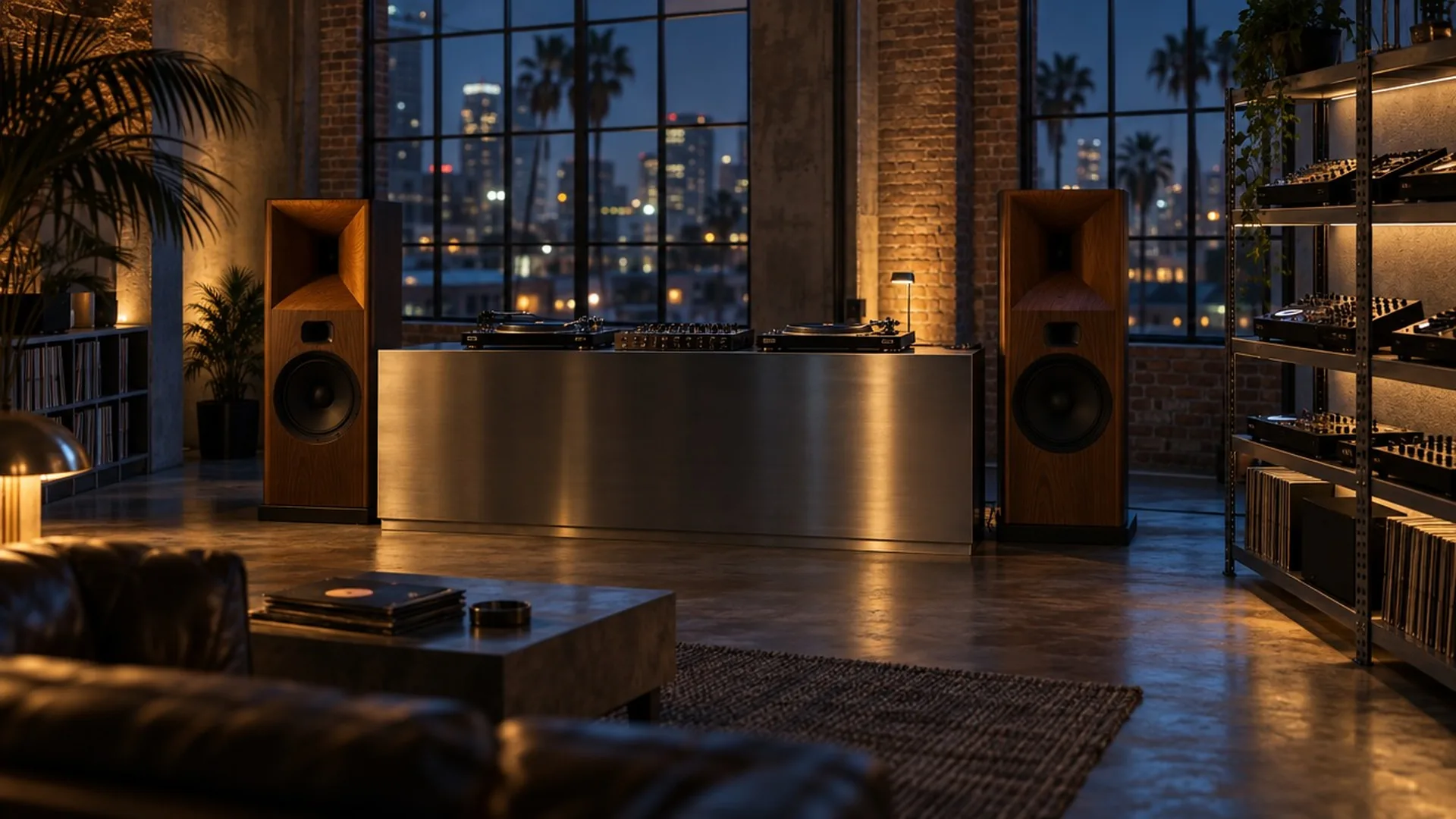
For working DJs and producers in Los Angeles, a great-sounding room is hard to come by. Clubs are busy at night, studios cost money by the hour, and most people end up judging their mixes on headphones or a home setup. A new space in the Arts District is offering another option, and it is also a useful case study in how music-tech brands are trying to build community in L.A.
Serato, the New Zealand-based company behind the widely used Serato DJ software, announced on Nov. 17 that it is opening Serato SoundSpace, a creative studio for DJs, producers and artists. LA Weekly reported that the venue covers 4,500 square feet and includes a listening room and a separate production studio.
What's inside
According to the company, the main room is built around a custom sound system from Norwegian audio firm NNNN and OJAS, the design studio of Devon Turnbull, with two large horn loudspeakers, an 18-inch subwoofer and additional speakers. Serato says it is NNNN's first commercial installation in Los Angeles. The production studio uses NNNN monitors, including a nearfield model the company has not yet released.
There is also a "tech library" of controllers and mixers from across Serato's history, with a bench where visitors can try gear. Serato says its Artist Relations team, made up of DJs, producers and audio engineers, will be on site to help artists use its software. The interiors were designed by Leon Mckay of New York studio Saintleo.
The pre-opening event featured a set by L.A. producer The Alchemist, along with Novena Carmel and Jared Jackson. Announced programming includes a private listening party with producer Dahi and workshops with partners including Beatport, Kittens / PWR and Duckworld, plus product demos. Serato says people interested in events, workshops or hosting private listening sessions or industry parties can contact its Artist Relations team at soundspace@serato.com.
Why brands are building rooms like this
Serato is not the first company to open a physical space for creators in L.A. For a software company, a room like this is a way to put products in people's hands, build relationships with artists and stay close to a city it calls central to DJ culture. For local artists, it can be a resource, as long as they approach it with a plan.
The business lesson cuts both ways. Brand-backed studios can lower the cost of access to high-end equipment and put emerging artists in the same room as established ones. But they are also marketing tools, and the programming will reflect the company's goals. Treat them like any partnership: understand what you get and what is expected in return.
A playbook for L.A. DJs and producers
Go with a purpose. If you get a chance to hear your work on a reference-grade system, bring finished or near-finished tracks and take notes. Problems in low end and stereo image often show up on a big system in ways they don't at home.
Use workshops to build your network. Partner events with labels, collectives and platforms can lead to collaborations and bookings. Follow up with the people you meet within a few days.
Ask about hosting. Serato says it is open to inquiries about private listening sessions and industry parties. For an independent artist or small label, a well-run listening event in a strong-sounding room can be a better release moment than another social post. Ask about cost, guest limits, recording rights and any branding requirements before you book.
Read the fine print. If an event will be filmed or photographed, ask how the content will be used and whether you need to sign a release. If you are performing, clarify whether there is a fee and who owns any recordings.
Keep your own audience. Brand spaces come and go. Collect contact information from fans who attend your events so the relationship stays with you.
A lesson for other L.A. businesses
The idea behind SoundSpace applies outside music. A software company, gear shop or creative agency can use a physical space to turn customers into a community, but only if the room delivers something people can't easily get elsewhere. Here, it is the sound system and expert help. For a smaller business, it might be a monthly workshop, a demo night or a shared workspace for customers. The key is to give real value first and let the product be part of the experience, not the whole pitch.
The takeaway
The Arts District already has a strong music and nightlife identity. A brand-backed listening room adds one more place where L.A.'s DJ and producer community can meet, test ideas and hear their work properly. Artists who show up with a goal, ask good questions and protect their own audience will get the most out of it.
Sources: Serato announcement via PR Newswire, Nov. 17, 2026; LA Weekly, Nov. 17, 2026.