

Sanctuary Sold to WSG After 29 Years: What LA Apparel Founders Can Learn
LA label Sanctuary sold to WSG Brands, with Li & Fung as anchor licensee and the founders staying on. Exit lessons for LA apparel founders.
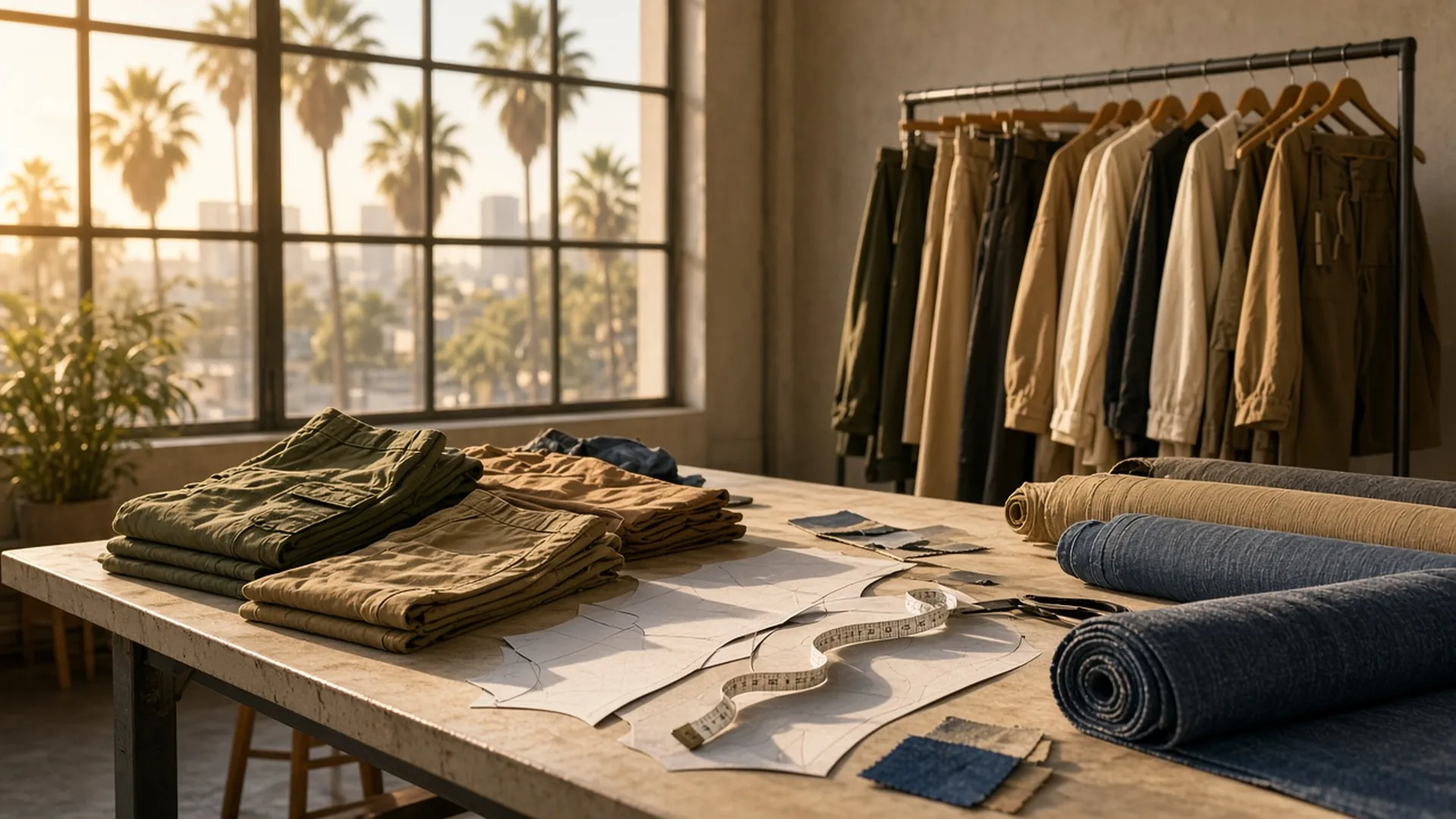
Ken and Debra Polanco started Sanctuary in Los Angeles in 1997 as a pants company. Nearly three decades later, the husband-and-wife founders have sold the brand to WSG Brands, the brand management firm behind Von Dutch and Nasty Gal. The way the deal is built shows how many mature consumer brands now change hands, and what an LA apparel founder should line up years before an exit.
WSG announced the acquisition of the Los Angeles-based contemporary women's label in a PR Newswire release dated Oct. 23. The companies did not disclose a price. WWD reported that documents it obtained in March showed WSG seeking $70.5 million in investor equity, including a $67 million purchase price plus $3.5 million in closing costs and fees. Treat that figure as a reported plan, not a confirmed final price.
What was actually sold
Sanctuary is not a young brand looking for a rescue. WWD describes it as profitable, with about $85 million in sales. Wholesale makes up about 70% of the business, with retail partners including Nordstrom and Bloomingdale's. SGB Media adds Anthropologie and independent boutiques to that list. The brand also has a growing direct-to-consumer business, including a roughly 2,000-square-foot flagship at 358 North Beverly Drive in Beverly Hills that opened earlier this year, according to WWD.
The product story is focused too. Sanctuary built a following for cargo and utility pants before expanding into denim, sweaters, dresses, outerwear, swim, footwear and accessories, per the company's description in the release.
The model: brand owner plus licensee
The key detail for founders is who will run what. WSG owns the brand. Li & Fung will be the anchor licensee for Sanctuary's existing women's ready-to-wear business. Li & Fung is the global sourcing and supply chain company, and it already had a 2024 licensing deal with Sanctuary for premium denim, WWD reported.
That is the brand-management playbook. Instead of owning factories, warehouses and a large payroll, the brand owner licenses categories and territories to operators and collects royalties. WWD said WSG's plan documents described a Li & Fung-led structure meant to reduce operating risk, improve scalability and turn fixed costs into a royalty-driven earnings profile.
WSG says it plans to push Sanctuary into the UK, Europe, the GCC/Middle East and Asia through licensing, distribution, retail, digital commerce and local partners. It also wants to expand into men's, kids' and home. FashionNetwork notes that WSG bought the intellectual property of Allbirds earlier this year with American Exchange Group, another sign of how actively these firms buy known names.
The founders are staying. The release says Ken and Debra Polanco will remain actively involved in creative direction, product vision, positioning and community. Sanctuary will keep operating as a distinct brand.
Five lessons for LA consumer founders
1. Buyers pay for a clear identity. Sanctuary's pitch rests on one thing it is known for: pants and utility styles. A brand that stands for something specific is easier to license into new categories than one that sells a little of everything.
2. Profit and clean wholesale relationships come first. A buyer planning to license your business out needs proof that the brand earns money and that department stores keep reordering. Wholesale concentration can be a strength in a deal like this, but only if those accounts are stable and well documented.
3. Licensing can come before the sale. Sanctuary's 2024 denim license with Li & Fung gave it a working relationship with the company that is now its anchor licensee. If you test a licensing partner on one category, you learn what the partner expects and leave a track record a future buyer can underwrite.
4. Plan your role after the sale. Many brand-management deals keep founders as the creative face while operations move to licensees. Decide early whether you want that job, and get the terms in writing: title, time commitment, approvals and how long it lasts.
5. Bring in an adviser. MMG Advisors acted as Sanctuary's exclusive financial adviser, according to the release. Founders selling a mid-size brand usually benefit from a banker who knows which strategic buyers, private equity firms and brand managers are active, and how each values royalty streams versus operating profit.
Why it matters locally
Los Angeles still has one of the country's deepest apparel ecosystems: designers, cut-and-sew shops, showrooms and the wholesale relationships that run through the Fashion District. Many local labels were founded in the 1990s and 2000s, and their owners are now thinking about succession. Sanctuary's sale shows that a founder-built LA brand with steady profit and a clear identity can find a buyer. It also shows that the buyer may run the business very differently, with the label itself as the main asset.
For younger founders, the takeaway is simple. Keep clean books, own your trademarks in the markets you might enter, document your wholesale accounts, and treat every licensing deal as a possible audition for a future acquirer.
What to watch
The first new licenses, territories and men's, kids' or home products will show how quickly WSG plans to move. Watch the Beverly Hills flagship too. Under a licensing model, a brand-owned store can serve mainly as a showcase rather than a profit center.
Details come from the WSG release and the WWD, FashionNetwork and SGB Media reporting linked above. The $67 million figure is WWD's report of planning documents, not a confirmed price. This article is not legal, tax or investment advice.