

Palmdale's $25K Façade and ADA Grants: Make a Storefront Upgrade Count
Palmdale now offers small businesses up to $25,000 for façade and ADA upgrades. How to apply wisely, why a CASp inspection helps and what aid you can stack.
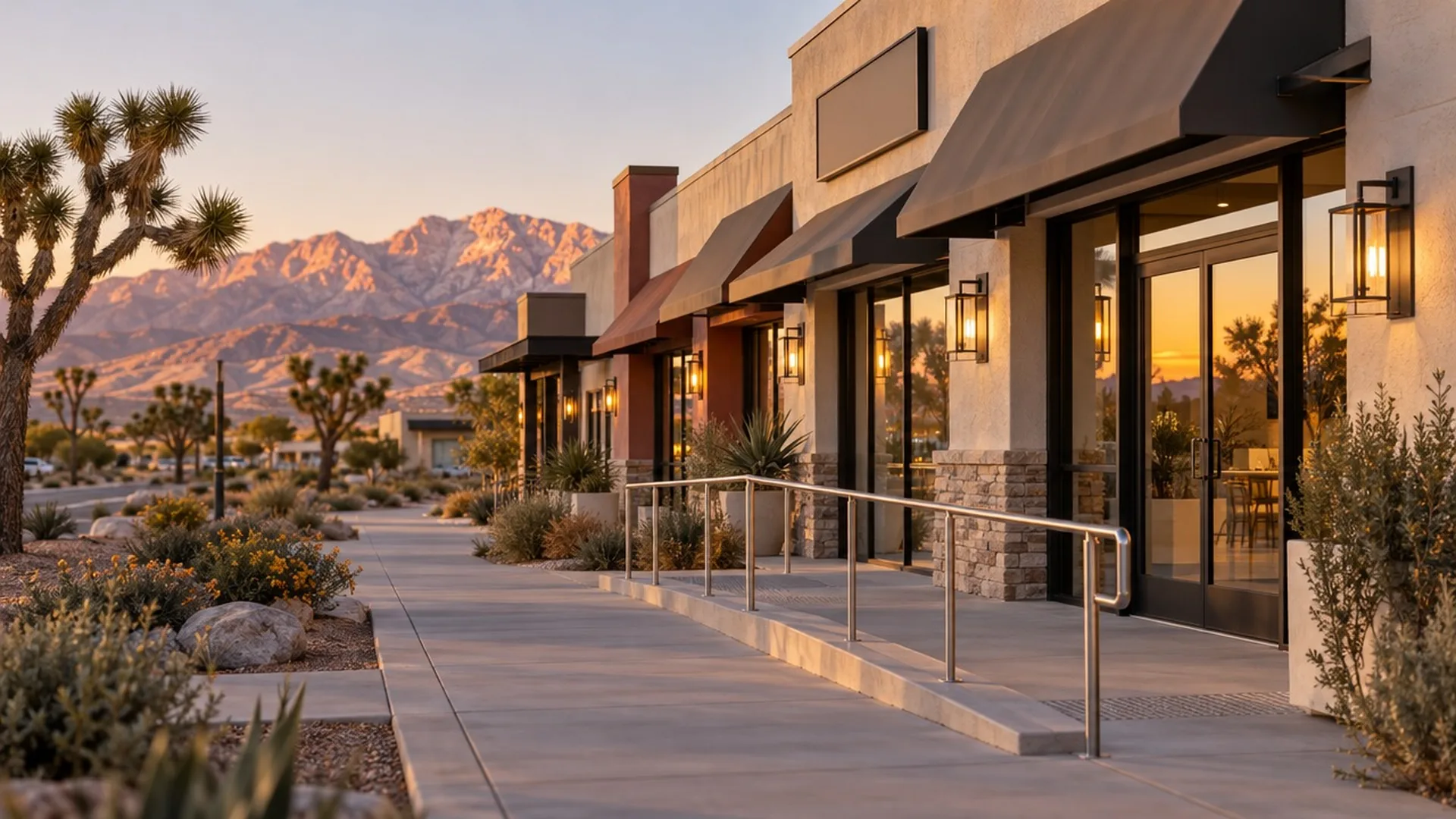
Small business owners in Palmdale now have a new way to pay for the kind of storefront work that tends to sit on the to-do list for years. The city has opened outreach for its Commercial Façade and ADA Accessibility Improvement Program, which offers grants of up to $25,000 for exterior upgrades and accessibility fixes, according to a city announcement published by the Antelope Valley Press on Nov. 14.
Palmdale is pairing the push with its holiday shop-local efforts, including Small Business Saturday. For Antelope Valley owners, and anyone watching how LA County cities support their corridors, it is also a case study in making a small grant go further.
What the program covers
The Palmdale City Council approved the program on Sept. 1. At that meeting, the council launched it as a pilot funded with local Measure AV dollars, raised the allocation to $125,000 so that each council district could be guaranteed $25,000, and directed staff to pay half of each awarded grant upfront, according to a meeting summary from Citizen Portal. In other words, the pot is small and the number of awards will be limited, so a strong, well-documented application matters.
According to the city's description, eligible work includes:
- Building façade improvements and exterior paint or finishes
- Storefront windows and doors
- Awnings and canopies
- Permanent signage and exterior lighting
- Landscaping and decorative fencing visible from the street
- Code compliance and ADA accessibility improvements related to public access
Both commercial property owners and businesses can apply. Local coverage of the guidelines notes that tenants need an active Palmdale business license and written, notarized authorization from the property owner, that applicants must be in good standing with the city, and that work completed before a grant is approved is not eligible for reimbursement, as summarized by The Local News App. Confirm the current rules directly with the city's Economic Development division at EconomicDevelopment@cityofpalmdaleca.gov or 661-267-5125 before you spend anything. The program is listed among the city's business incentive programs.
Start with accessibility, not paint
It is tempting to spend a façade grant on the most visible change, like a new sign. But for many older storefronts, the smartest first dollars go to the entrance itself: the ramp, the door and the path from the parking lot.
There are two reasons. First, accessibility work helps every customer who uses a wheelchair, walker or stroller. Second, in California, accessibility gaps can become expensive legal problems. Without a state-certified inspection, a business can face statutory damages of $4,000 per occasion in a construction-related accessibility claim, plus the plaintiff's attorney's fees, according to the California Division of the State Architect.
Why a CASp inspection belongs in your plan
The state's tool for this is the Certified Access Specialist, or CASp, an inspector certified by California to know which state and federal accessibility standards apply to a building based on its age and renovation history. According to the Division of the State Architect:
- A business that has a CASp inspection, a report and a schedule of corrections in place before a claim is filed can be treated as a "qualified defendant," which brings a 90-day stay of court proceedings and an early evaluation conference.
- A qualified defendant that fixes the cited problems within 60 days of being served may see minimum statutory damages reduced to $1,000 per occasion.
- Businesses with 50 or fewer employees on average over the past three years can choose to fix everything in the CASp report within 120 days and receive a grace period from minimum statutory damages for those items during that time.
A CASp report also gives a grant application something concrete: specific deficiencies, a schedule and real cost estimates.
Stack the help where you can
A city grant does not have to carry the whole project. Two other programs are worth a look:
- Federal tax credit. Eligible small businesses can claim the Disabled Access Credit on IRS Form 8826 for certain costs of removing barriers. Ask your tax preparer how it interacts with any grant money, since you generally cannot claim a credit on costs someone else paid for.
- State-backed loans. California's CalCAP/ADA program helps small businesses finance accessibility retrofits through participating lenders, and it requires a CASp report, as the Division of the State Architect explains on the same page. Part of the inspection cost may be reimbursed when the loan is enrolled.
A simple game plan
- Call the city first. Confirm the deadline, the application form and whether your corridor or project type gets priority.
- Get your landlord on board. If you rent, you will need the owner's written sign-off, and the owner may want to share costs on permanent improvements.
- Book a CASp inspection if your building has never had one. The state keeps a searchable list of certified specialists.
- Collect two or three contractor bids that match the items in your application.
- Do not start work until you have a signed approval. Retroactive projects are not eligible.
Twenty-five thousand dollars will not rebuild a shopping center. But spent on an accessible entrance, better lighting and a clean, inviting front, it can make a small storefront easier to find, easier to enter and easier to defend.