

Mayor-Elect Raman's Small Business Plan: What LA Owners Should Watch
Mayor-elect Nithya Raman ran on permit shot clocks, free sidewalk dining and a bigger business tax exemption. What LA small business owners should track now.
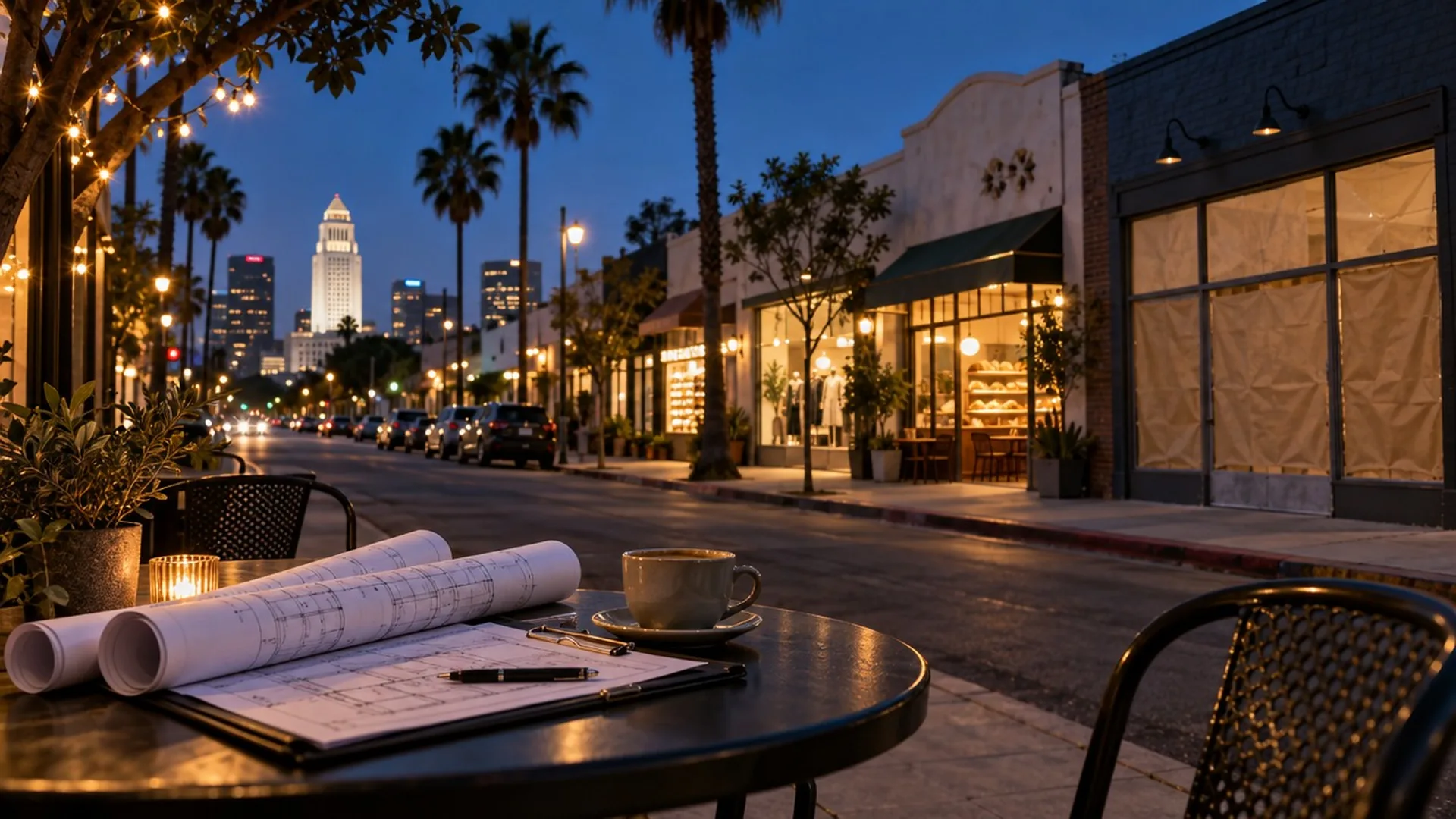
Los Angeles has a new mayor-elect, and she ran on an unusually specific small business platform. Nithya Raman defeated incumbent Karen Bass with about 52 percent of the vote and takes office in December, Eater LA reported. Plenty of outlets have covered the race itself. This piece looks at something narrower: which of her promises would actually change the day-to-day math for a Los Angeles shop, restaurant or startup, and what owners can do while they wait.
One caution up front. Campaign plans are not policy. Many of these ideas need City Council votes, budget money, cooperation from county agencies or new state law. Treat the list below as an agenda to track, not a set of rules you can rely on yet.
The problem she says she is solving
Raman's campaign platform argues that Los Angeles is opening half as many new businesses as it did a decade ago and that new business formation is at a 20-year low. Her diagnosis is that City Hall is slow, expensive and fragmented, with agencies that do not coordinate and no obligation to move quickly.
Promise 1: A "shot clock" on permits
The most concrete idea is a permitting deadline for commercial projects. Under her small business plan, every department involved in a permit would have to respond by a firm deadline or the business would get its permitting fees refunded. The plan pairs that with a single citywide coordinator who would follow an application from start to opening, so owners are not chasing contradictory instructions from different offices.
Why it matters: For a restaurant or retail build-out, delay is often the most expensive line item, because rent starts before revenue does. A real deadline could shorten that gap. The fine print to watch is how the clock is defined and which departments are covered.
Promise 2: Cheaper, simpler restaurant openings
The plan proposes pre-approved construction plans for common restaurant kitchen layouts, plus self-certification so licensed engineers and architects can certify that straightforward projects meet city standards instead of waiting months for custom plan review. It also calls for making sidewalk dining free and simple, modeled on San Francisco, where restaurants register, follow a published rulebook and pay no fee. For on-street and private-property dining, it calls for a single consolidated application.
Why it matters: Expediters and redesigns are a major hidden cost of opening in Los Angeles.
Promise 3: A bigger business tax exemption
The city's small business exemption threshold of $100,000 in gross receipts was set in 2006 and has not changed since, the campaign says, while San Francisco's comparable threshold is now $5 million. Raman says she will champion an increase the City Council is already studying, tie it to inflation and make renewal automatic so qualifying businesses do not lose the exemption over missed paperwork.
Why it matters: This is the promise most likely to put cash back in owners' pockets. Until something changes, the current rules apply, so keep filing on time to keep the exemption you have.
Promise 4: Protection from serial ADA suits and landlord pressure
The plan says it would back a state "right to cure" reform so businesses can fix accessibility problems before facing costly settlements, and it proposes subsidizing Certified Access Specialist inspections and a low-interest loan fund for retrofits. It also proposes a Commercial Tenant Anti-Harassment Ordinance aimed at coercive rent hikes and bad-faith eviction tactics, and advocacy for workers' compensation reforms that reward employers with low claims.
Why it matters: The ADA piece depends heavily on Sacramento, so timing is uncertain. In the meantime, accessibility compliance protects your customers and your business.
Promise 5: Livelier corridors and nightlife
Raman wants a nightlife czar to coordinate across agencies and create entertainment zones, and she wants to use the newly signed Assembly Bill 1679 to let pop-ups fill empty storefronts, according to Eater LA. USA Today reported that her plan also includes opening empty after-hours bank and office parking lots for public use and pushing Metro to run later on weekends and big event nights. It also notes that Bass launched a downtown "Vacant to Vibrant" storefront program in October, so some of this work is already underway.
Why it matters: Pop-up founders, bar owners and late-night food operators could gain the most here, though entertainment zones and alcohol rules involve several agencies.
What owners can do now
Write down your permit pain. If you are mid-project, keep a dated log of every agency, request and delay. If a shot clock or coordinator role arrives, specific examples will help you, and they will help advocates shape the rules.
Watch the City Council, not just the mayor. The tax exemption, the anti-harassment ordinance and dining rules will likely move through council committees. Your business improvement district or chamber can tell you when hearings are scheduled.
Do not pause compliance. Keep filing your business tax renewal, keep permits current and fix known accessibility issues. Campaign promises do not change today's obligations.
The bottom line
Raman's platform is built around speed, cost and predictability, the three things small business owners complain about most. The test will be what reaches a council vote, what gets funded in the first budget and how quickly agencies change. We will be watching for the details.