

CHUCHO on Crenshaw: Lessons From Two Sisters' Guatemalan Juice Bar
Two sisters self-funded CHUCHO, a Guatemalan juice bar and café on Crenshaw. Lessons for South L.A. founders filling a gap in their neighborhood.
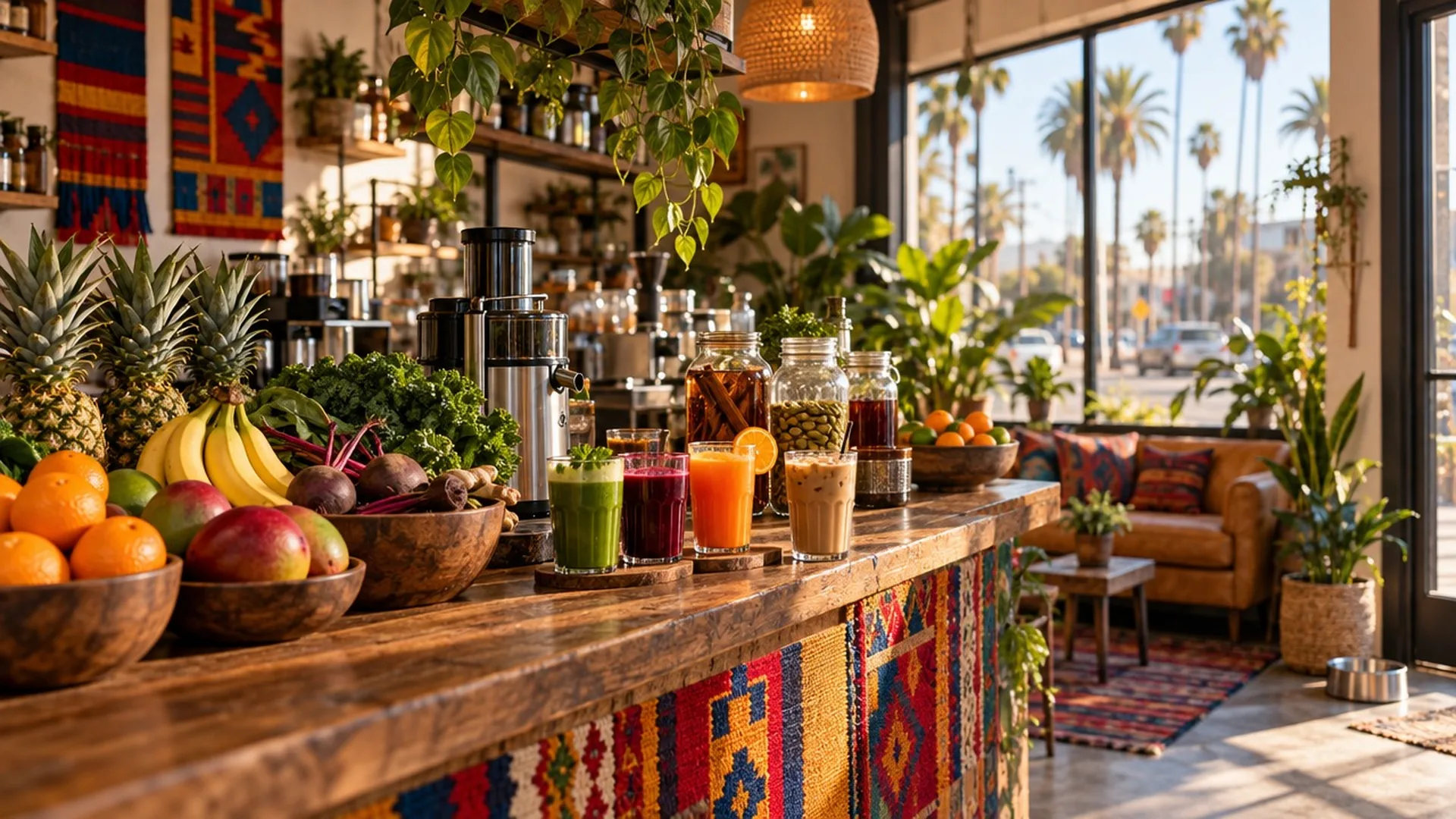
Two sisters spent about ten years wanting a healthy juice bar and coffee shop in their part of South Los Angeles. When nobody else opened one, they did it themselves. Their story is a good reminder that some of the strongest small-business ideas in L.A. come from a gap the founder has felt personally.
CHUCHO, a Guatemalan-style juice bar, coffee shop and community space at 4271 Crenshaw Blvd., is run by Stephanie Hernández and her sister Ale. L.A. TACO reported in October that the café in the Leimert Park area had soft-opened and was self-funded by the two sisters. On Nov. 23, La Opinión published a longer profile of the business and the women behind it.
A gap they lived with
According to La Opinión, the sisters grew up in Zone 5 in Guatemala, where fresh fruit and vegetable juices were a daily part of market trips with their grandmother. After moving to the U.S. as children, they found those drinks hard to come by in South L.A.
As students, they worked at juice bars in Silver Lake. That experience showed them two things: how the business worked, and how far those shops were from where they lived. The frustration of not having something similar close to home pushed them to ask why they shouldn't be the ones to open it, the sisters told La Opinión.
The paper also describes early demand that a founder would want to hear. A woman who works at a barbershop on the same street told the sisters she had been driving about 20 minutes to buy beet and vegetable juices for the barbers, and could now walk to get them.
Building a brand from personal history
The name is personal. In Guatemala, "chucho" is a common word for a dog. The sisters chose it to honor their late father, who loved animals, and their late service dog, Bons. A corner of the shop, "Bons Corner," is dedicated to her, and the café keeps water and treats out for visiting dogs.
The menu carries the same idea. The sisters make their own sweeteners with Guatemalan-inspired ingredients such as cardamom, cinnamon and sesame, and serve a banana drink and a Guatemalan horchata used in their coffee drinks. They also built items for neighbors from other backgrounds, including a pineapple-mango smoothie with the area's Caribbean community in mind and a strawberry cheesecake smoothie for customers who want something sweeter.
The walls carry art about Guatemala's languages, communities and history.
According to La Opinión, first- and second-generation Guatemalan Angelenos have started coming in, some with their parents. Two first-time customers the paper spoke with said they found the café on social media.
What other L.A. founders can take from it
CHUCHO is a two-person operation that is only a few months old, and no sales figures have been reported. But the way it was built offers practical lessons for anyone planning a neighborhood business in Los Angeles.
Start with a gap you can describe in one sentence. "There's no healthy juice bar near us" is specific and easy to test. Before signing a lease, walk the corridor, count the competitors within a short drive and talk to the businesses around you. The barbershop story above is the kind of signal worth listening for.
Learn the trade on someone else's payroll. The sisters worked in juice bars before opening their own. Working in your target business, even part-time, teaches you suppliers, prep, waste and pricing before your own money is on the line.
Treat the landlord as a partner. La Opinión reports that the property's owners, whose family has held it since the 1950s, liked the idea right away and referred the sisters to people who could help fix up the space. Long-time local owners often care about who fills their storefronts. Pitch the concept and how it serves the block, not just your ability to pay rent.
Let your story do the marketing, honestly. The name, the dog corner and the art give customers something to talk about and share. That only works when it's real.
Design the menu for the whole neighborhood. Leading with your own culture doesn't mean ignoring the people around you. CHUCHO added options aimed at nearby Caribbean customers and at people with a sweet tooth.
Plan for a lean start. The sisters are currently the only two people working there, and they told La Opinión they faced obstacles, including sexism, while getting the space ready. Self-funding keeps ownership simple but leaves little room for delays. Budget a cushion for permits, build-out surprises and slow early weeks.
Help that exists for South L.A. founders
Owners in a similar spot don't have to figure it out alone. The City of Los Angeles runs BusinessSource Centers that offer free one-on-one advising on business plans, financing and permits. Food and drink businesses also need a Los Angeles County health permit before opening. Check zoning, health and building rules early.
The bigger point
L.A.'s next great neighborhood business may not come from a trend report. It may come from someone who has been driving 20 minutes for something their own block should have. CHUCHO's founders turned that frustration into a business plan, and other founders can do the same.
Sources: La Opinión, Nov. 23, 2026 (in Spanish); L.A. TACO, Oct. 9, 2026.