

Oy Bar's Closing Is a Lease Lesson for LA Restaurant Tenants
Studio City's Oy Bar will close Jan. 16 after its building sold for a housing project. The lease clauses L.A. restaurant and shop tenants should check now.
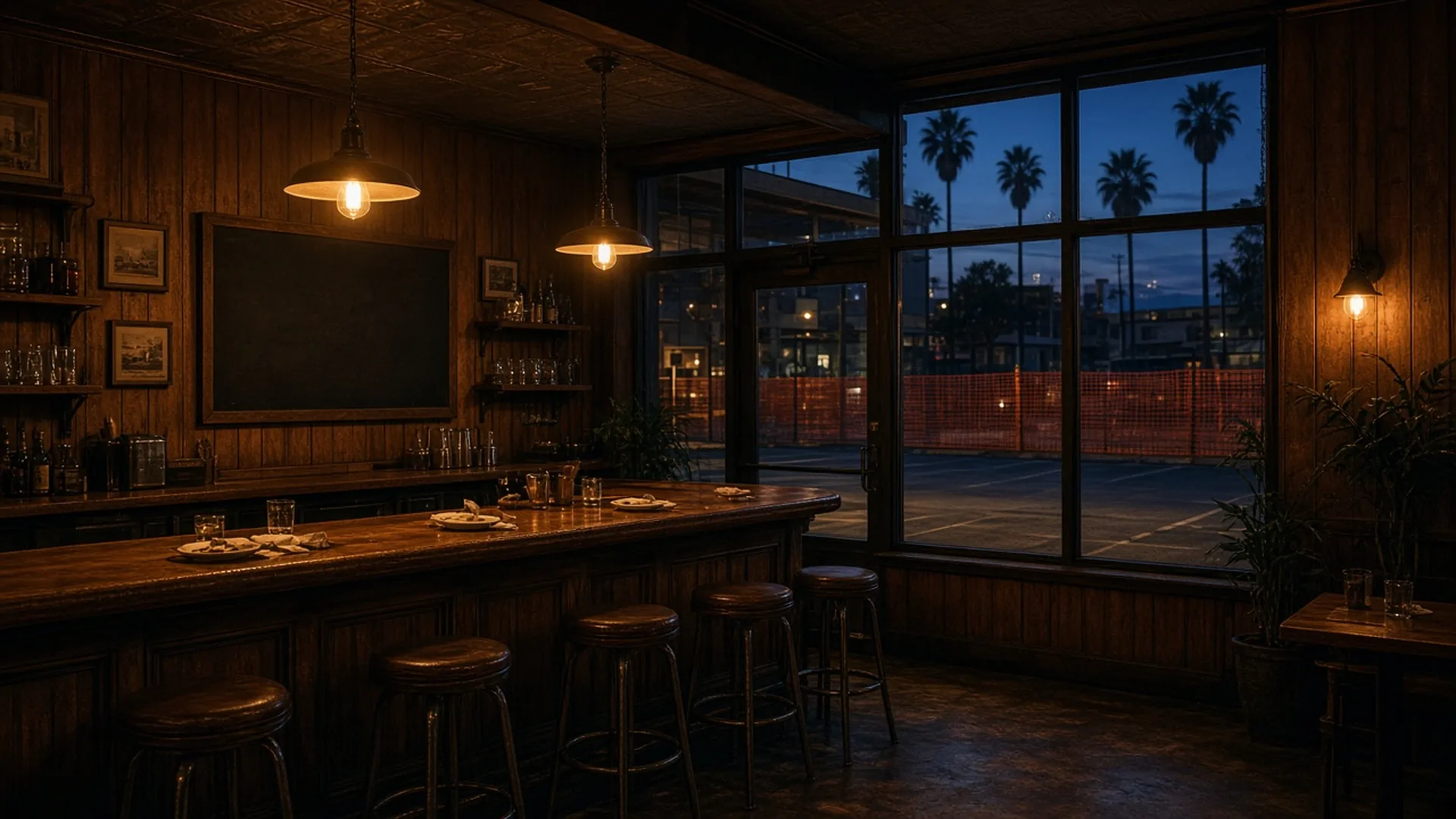
Studio City's Oy Bar is closing, and not because business dried up. According to the Los Angeles Times, the neighborhood restaurant and bar will serve its last night on Jan. 16, 2027, because its 1955 strip mall on Moorpark Street is being cleared for a 101-unit affordable housing project. The story is worth reading for any L.A. restaurant, salon, shop or service business that rents space in an older, low-rise building, because it shows how quickly a sale can change a tenant's future.
What happened
The Times reported that the building sold in September 2024, and that within days of the sale, owners Jeff Strauss and Peter Jarjour learned the new owner planned to demolish it. The buyer, L.A.-based developer HVN Development, builds affordable housing, and a representative of the firm's consultant told the Times that HVN's projects do not include retail, restaurants or other businesses. The Times also reported that the project, like many of HVN's developments, was processed through Measure ULA, the city's tax on high-value property transfers that funds affordable housing.
According to the Times, the owners refused a buyout, hired lawyers and stayed through their lease, which runs through Jan. 31, 2027. They also changed plans for a second space they had leased in the same center, opening a small corner store instead of a costly buildout. Other tenants, including a hairdresser, a dog trainer, a smoke shop and a dry cleaner, had already left. Strauss told the paper roughly half of the bar's 21 employees live within a mile and a half, and he is looking for a new home for the concept, ideally in the Valley, while planning pop-ups in the meantime.
Strauss said he supports affordable housing; his objection, as he put it to the Times, is that the project removes a neighborhood gathering place and jobs. "What a mistake that is," he said of the no-retail design.
Why this keeps happening
Los Angeles is pushing hard to build housing, and older one- and two-story commercial strips, with big lots and surface parking, are natural redevelopment targets. State and city rules have made it easier to build homes on commercially zoned land, and we have covered several of those changes, from adaptive reuse to transit-area upzoning. That is good news for housing supply. For small tenants, it means the building you rent in may be worth more to a buyer as a construction site than as a shopping center.
Lease terms to check now
None of this is legal advice, and every lease is different. But the Oy Bar story points to clauses every L.A. small-business tenant should find and understand before a sale happens.
Term and renewal options. Oy Bar could stay because its lease had time left. Know your expiration date, whether you have renewal options, how you must exercise them and whether a new owner must honor them.
Demolition, redevelopment or relocation clauses. Many commercial leases let a landlord end the lease early, often with notice and sometimes with a payment, if the property will be redeveloped. Some let the landlord move you to another unit. If yours has one, know the notice period and the compensation, if any.
Sale and assignment language. Leases usually survive a sale, but check whether yours has a right of first offer or refusal, or anything that changes if the property is transferred.
Subordination and estoppel. New owners and lenders often ask tenants to sign estoppel certificates confirming lease terms. Read them carefully, and do not sign anything that misstates your rights.
Buildout and improvements. The Times reported that Oy Bar's owners skipped a planned buildout after learning about the demolition. Before you spend on a kitchen, hood system or major remodel, ask the landlord in writing about sale or redevelopment plans and try to negotiate protection for that investment.
If a buyout offer arrives
A buyout is a negotiation, not a formality. Before responding, tally what leaving would actually cost you: moving, a new buildout, lost revenue during a gap, permits, staff retention and the value of the remaining lease term. Get a commercial real estate attorney to review the offer. If you plan to stay through your term, as Oy Bar did, document conditions in the property and keep paying rent on time, so there are no grounds for an early default.
Plan B before you need it
The most useful lesson may be timing. Strauss told the Times he has spent about a year and a half looking for a new location. Finding, permitting and building out a restaurant in L.A. can take longer than many leases have left. If your building is old, on a large lot or recently sold, start scouting early, keep a list of your regulars' contact information, and consider pop-ups or shared kitchens to stay in front of customers between spaces.
Oy Bar is open Tuesday through Saturday through Jan. 16, according to the Times, and its owners plan to treat the final weeks as a send-off. For other L.A. operators, it is a reminder to read the lease before a "for sale" sign goes up.
Source: Los Angeles Times, Nov. 17, 2026. Lease guidance is general information, not legal advice.