

LA Retail Q3 2026: What Small Tenants Can Negotiate on Leases
Q3 reports show flat-to-lower LA retail asking rents and plenty of space. What the data means for small businesses signing or renewing a lease.
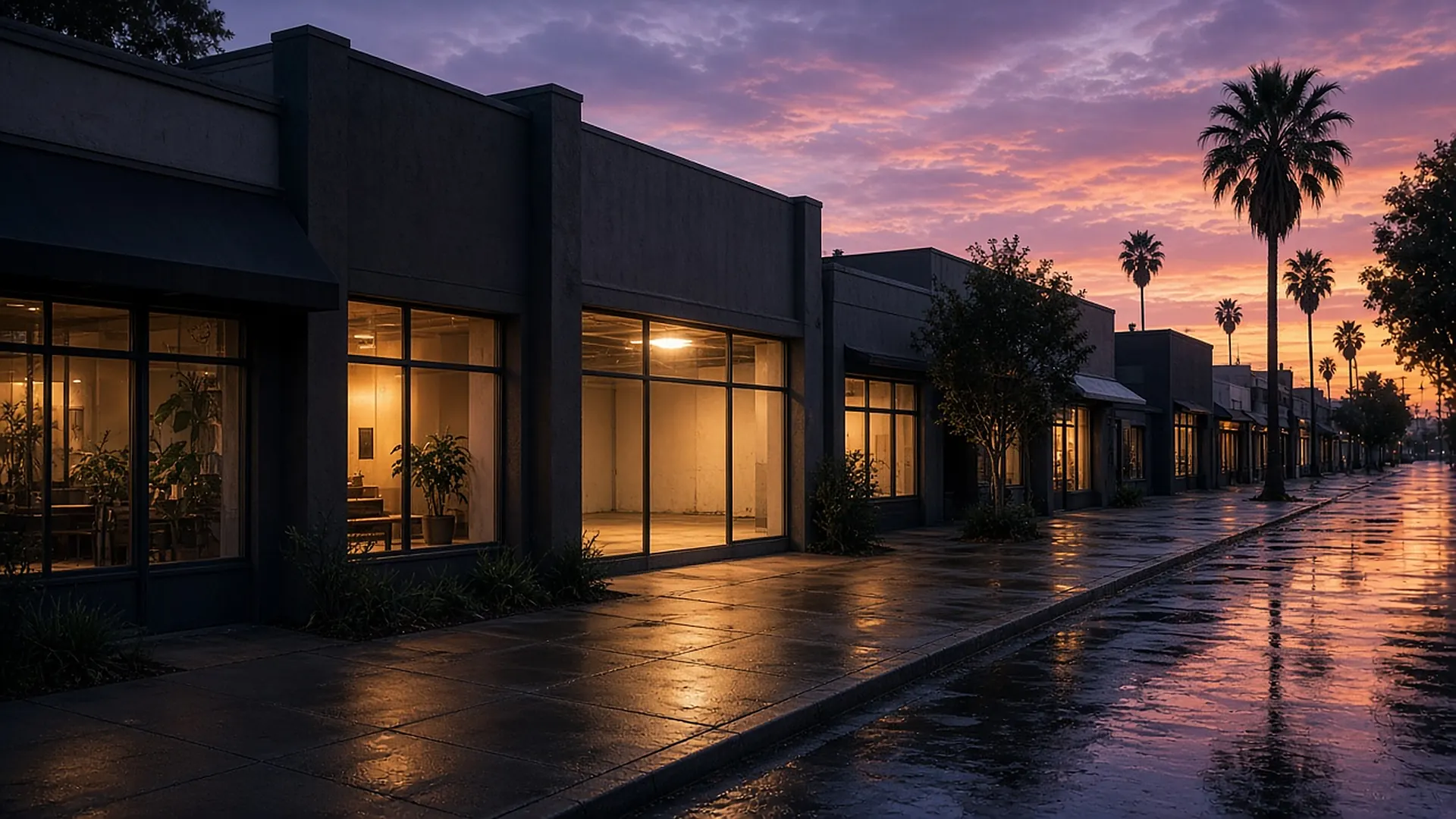
If you are thinking about opening a storefront in Los Angeles, or renewing the lease on one you already have, the third-quarter retail reports offer a useful, if mixed, signal: space is not scarce and asking rents are flat to slightly lower. The numbers differ depending on who is counting, so here is a plain-language read of what the data says and how a small operator might use it.
The Los Angeles numbers
Brokerage Kidder Mathews, using CoStar data, put Los Angeles retail vacancy at 5.7% in the third quarter, up a tenth of a point from the second quarter and from a year earlier. Average asking rent was $2.75 per square foot per month, down about 2.5% from $2.82 a year ago, according to its Q3 2026 market report.
Net absorption, the measure of whether more space was occupied or vacated, was negative 164,608 square feet for the quarter. That is a loss, but the year-to-date figure of negative 173,708 square feet is far better than the negative 1.13 million square feet recorded through the same point last year. New supply is thin: about 697,000 square feet is under construction, and only 39,413 square feet was delivered in the quarter.
A second report tells a slightly different story
Colliers, as reported by Commercial Observer, tracks Los Angeles County separately from Orange County and the Inland Empire. It found the county's vacancy rate steady at 6.67% and average asking rents flat at $2.62 per square foot per month. Net absorption was positive but small, about 50,000 square feet, down 77% from the previous quarter, while leasing activity stayed fairly strong at 1.3 million square feet.
Why do the vacancy figures differ? Brokerages define their markets and survey their buildings differently, so numbers from two firms are not directly comparable. What matters for a tenant is the direction they agree on: no sharp rent increases, and no shortage of space.
Colliers also found that community and neighborhood shopping centers were the strongest-performing property type across Greater Los Angeles, absorbing 519,000 square feet in the quarter. For many local restaurants, salons, studios and service businesses, those centers are the natural home. Orange County, by comparison, was tighter: vacancy there fell to 3.55%, a five-year low, with asking rents up 3% from the prior quarter to $2.65.
An Institutional Property Advisors outlook describes a county still dealing with historically elevated vacancy even as supply and demand become more aligned. It notes that six of the metro's 11 major submarkets, including downtown Los Angeles, saw vacancy tighten modestly over the year ended in June.
What shorter leases suggest
TenantBase, a marketplace that connects businesses with flexible space, reported in its Q3 Los Angeles review that 32.9% of the retail searches on its platform wanted terms under one year. That is one company's customer data, not the whole market, and its audience skews toward small, flexible users. Still, it fits with the broader picture of operators who want to test a location before committing for years.
What this could mean for your next lease
The following are our suggestions, not advice from the report authors, and every deal turns on the building and the neighborhood. Consider a licensed commercial broker or attorney before you sign anything.
- Treat asking rent as a starting point. The figures above are asking rents, not what tenants actually pay. Concessions such as free-rent months or help with build-out costs are sometimes available when space is plentiful, but you have to ask.
- Compare the whole cost. A lower base rent can come with higher common-area charges, taxes or insurance. Ask for the full monthly number.
- Price the term. If you are unproven, a shorter lease or a renewal option may be worth a modest rent premium. If you have a steady business, a longer commitment may be a bargaining chip.
- Look at vacancy on your block. Citywide averages hide big differences. Count empty storefronts within a few blocks, and ask how long they have been dark.
- Check for competing supply. With little new retail being built, existing space is what you are choosing from, so quality and location of those older buildings matter more than ever.
- Plan your exit. Ask about subleasing and assignment rights before you need them.
Where the market could go
Kidder Mathews expects continued modest vacancy pressure with a thin construction pipeline, which could gradually stabilize the market. That is a forecast, and conditions can change if consumer spending or business closures shift. For now, the data suggests tenants may have more room to negotiate than when space was tight, but not an open invitation to lowball.
Sources: Kidder Mathews Los Angeles Retail Market Report, 3Q 2026 · Commercial Observer on Colliers data, Oct. 19, 2026 · Institutional Property Advisors, 3Q 2026 · TenantBase, Q3 2026