

LA's Citywide Adaptive Reuse Rules: What They Mean for Storefronts
LA's Citywide Adaptive Reuse Ordinance eases office-to-housing conversions, with ground-floor and legacy business rules small tenants should know.
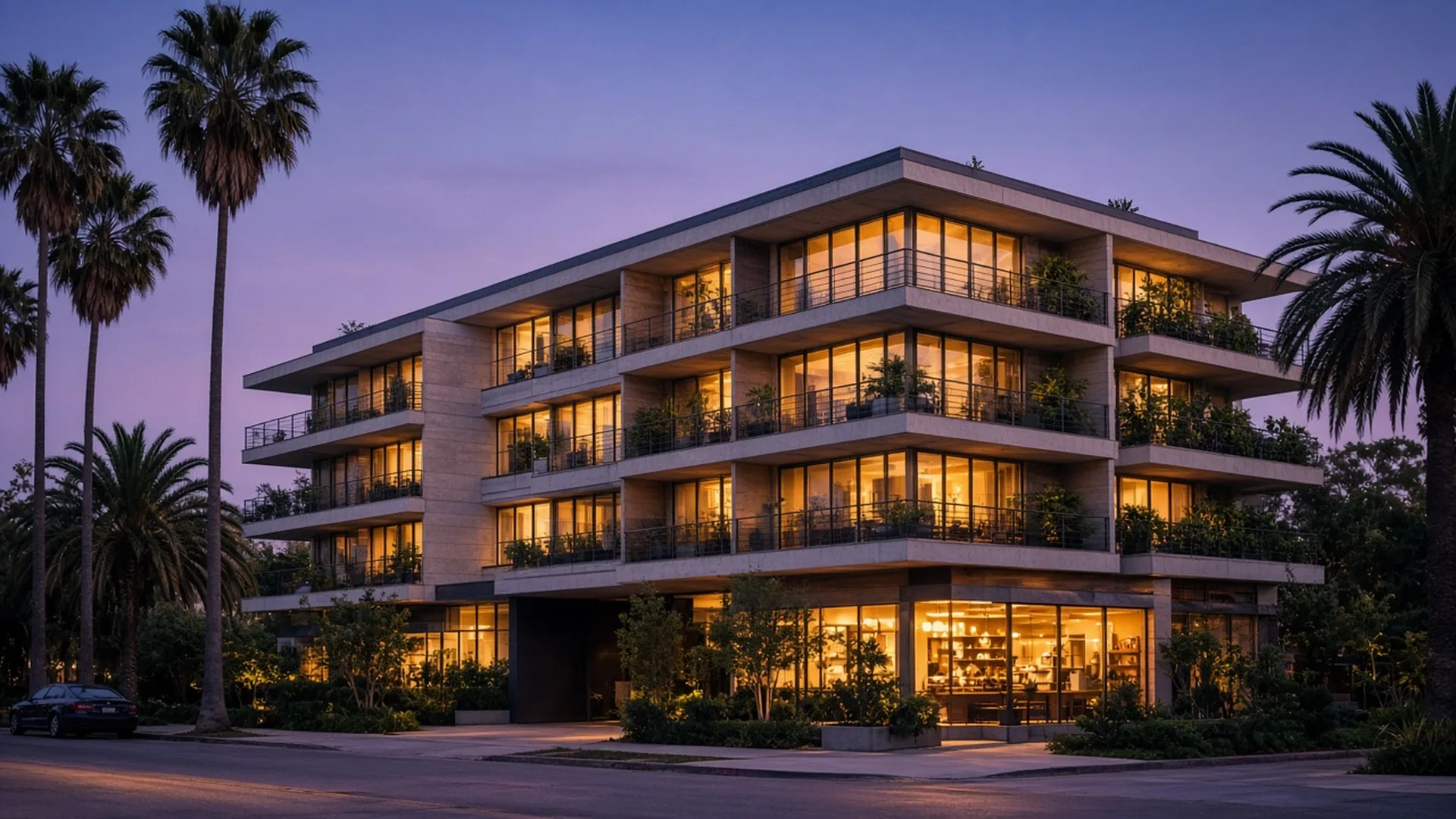
Los Angeles has made it much easier to turn old office buildings, hotels, parking structures and other commercial properties into housing. For small business owners and the landlords who rent to them, the more interesting part of the new rules is what they say about the ground floor.
The Citywide Adaptive Reuse Ordinance, Ordinance No. 188,793, took effect on February 1, 2026, according to the City Clerk's council file. Here is what it does and how it could affect storefront tenants, legacy businesses and owners of small commercial buildings.
From downtown to citywide
The city's original adaptive reuse ordinance dates to 1999. According to LA City Planning, it only applied to buildings built before 1974 in or near downtown, with a handful of other areas added in 2003. It is widely credited with helping convert many of downtown's historic office towers into lofts.
The new ordinance expands eligibility to every neighborhood in the city. Buildings that are at least 15 years old generally qualify if they sit in multifamily residential, commercial, parking or public facilities zones. Parking structures at least five years old are also eligible, and other buildings between five and 15 years old can qualify with Zoning Administrator approval. Only projects that create five or more homes get the ordinance's incentives.
City Planning says most projects can now go directly to the Department of Building and Safety for a building permit, rather than through a discretionary approval. Other changes include dropping minimum unit sizes, allowing a new rooftop amenity level that does not count against height or floor area, and extra flexibility for projects that include affordable housing.
What it means for the ground floor
A common worry about converting commercial buildings is that street-level shops get replaced by blank walls or private lobbies. The ordinance addresses that in two ways.
Active ground-floor uses. Under the ordinance text, an existing ground-floor commercial space can be converted to residential use only if the converted ground floor keeps at least the first 15 feet of depth, measured from the main pedestrian entrance, as occupiable space for commercial, public or institutional use, or shared indoor amenities. The list includes live/work units, fitness rooms, lounges, lobbies and co-working space.
Incentives to keep businesses. The city's recommendation report describes voluntary incentives for developers who keep active ground-floor commercial space or house Legacy Small Businesses, including excluding some of that space from floor-area calculations.
Who counts as a Legacy Small Business
The ordinance defines a Legacy Small Business as one that has operated continuously for at least 20 years within two miles of the project site, inside city limits, with no break longer than two years, and that meets at least two additional standards set out in the ordinance. One of those standards is paying wages at or above the city's non-airport living wage.
For a long-running neighborhood restaurant, dry cleaner, print shop or hardware store, that definition could become a bargaining chip. A developer converting a nearby building may have a reason to offer space to a qualifying business.
Practical takeaways for business owners
If you rent in an older commercial building, conversion is now a realistic possibility in far more of the city. Read your lease for demolition, relocation and early-termination clauses, and know your renewal dates. Ask your landlord directly about long-term plans.
If your business has been around for 20 years or more, gather proof: old business tax registrations, leases, licenses and payroll records that show continuous operation and your location history. If a conversion is proposed nearby, that history may make your business more attractive to the developer.
If you are a co-working, fitness or hospitality operator, the active-use rules name the kinds of spaces converted buildings need on their ground floors. That could mean new leasing opportunities in buildings that would otherwise sit half empty.
If you own a small commercial building, a conversion may now be possible without a lengthy entitlement process. Talk to an architect and land-use attorney about whether your property's age and zoning qualify, and whether keeping your current ground-floor tenants could work in your favor.
The bigger picture
Los Angeles has a large stock of aging office space and a deep housing shortage. The ordinance is meant to address both by making reuse faster and cheaper. For the city's small businesses, the results will play out building by building, but the rules give tenants and owners more reason to plan ahead.
City Planning's adaptive reuse page lists the full details and which projects still need additional review, such as those involving designated historic resources.
This article is general information, not legal or real estate advice.