

Downtown LA Office Leasing Turns Positive: What Tenants Should Know Now
DTLA posted 85,000 sq. ft. of positive office absorption in Q3 as apartment occupancy hit 91.4%. What tenants and small businesses should weigh now.
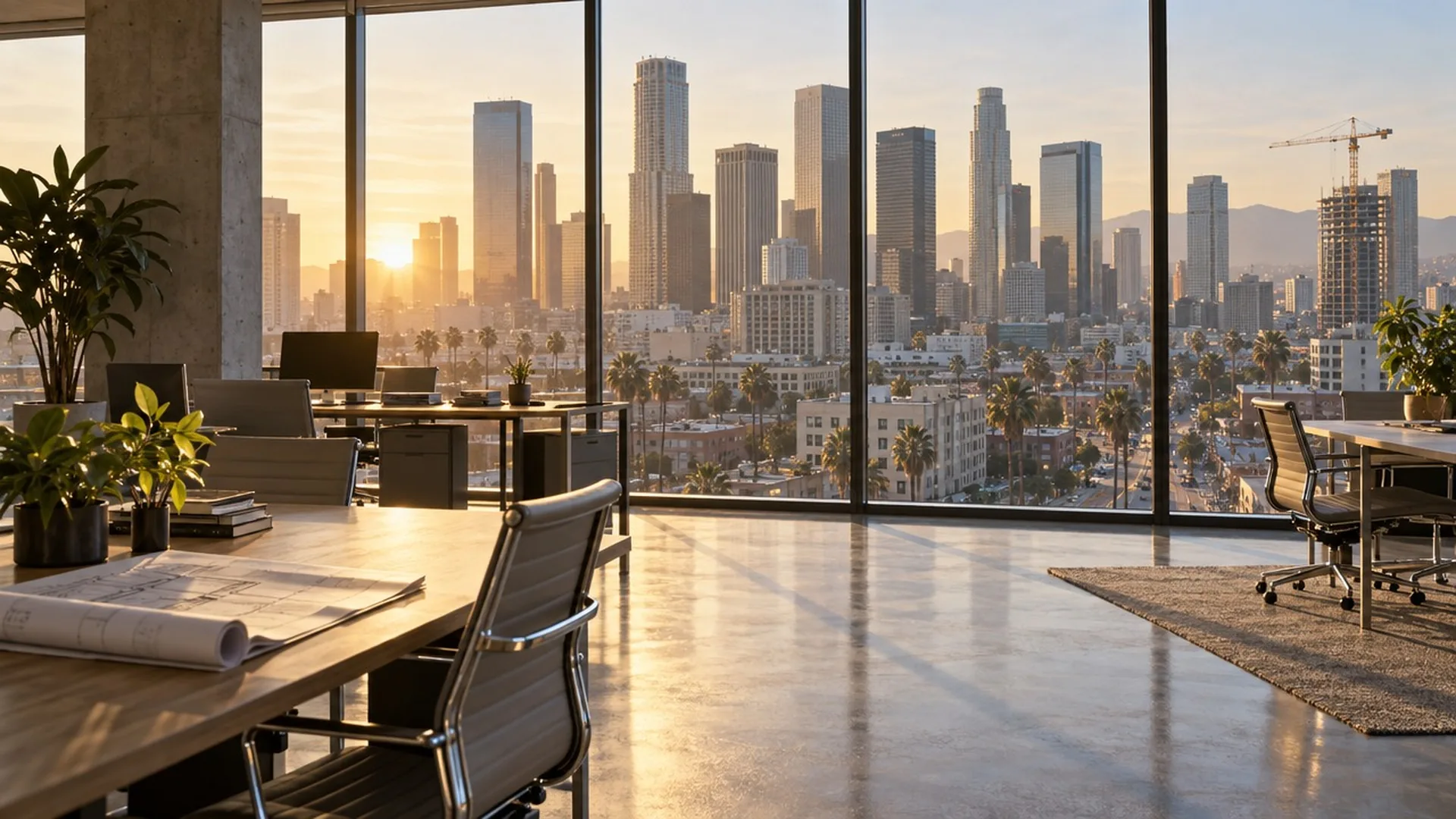
After years of tenants moving out, downtown Los Angeles finally filled more office space than it lost. In the third quarter of 2026, the downtown office market recorded about 85,000 square feet of net absorption, according to brokerage CBRE as reported by the Los Angeles Times. The DTLA Alliance's Q3 2026 market report also shows office leasing has turned positive for the year to date.
It is a modest number in a very large market, and plenty of space is still empty. But for business owners deciding whether to lease, renew, open a shop or invest downtown, the next few months bring a new mayor, a new revitalization plan and a market that is still priced for tenants.
What the numbers show
The Times reported that more than a third of downtown office space has been vacant in recent years, and that the decline stopped in the third quarter as slightly more space was rented than vacated. "Finally we have hit the bottom and we're on the upswing," CBRE office broker Chris Penrose told the paper.
Other measures are moving in the right direction. According to Commercial Observer, downtown apartment occupancy reached 91.4%, its highest level in three years. The DTLA Alliance says hotel revenue per available room hit its highest 12-month average since before the pandemic. The Alliance counted more than 22.7 million visitors downtown between April and mid-June, not including workers, up 6% from a year earlier, the Times reported.
Some large employers are also making long-term commitments. Banc of California moved into 40,000 square feet in a Figueroa Street tower, and Capital Group paid $210 million for its Bunker Hill headquarters tower, according to the Times. The University of Michigan and UCLA joined Arizona State University in opening downtown classrooms this year.
The caution flags
Not every number is improving. Commercial Observer reported that office vacancy is still about 3% higher than a year ago and that retail vacancy ticked up this year. Brookfield recently walked away from the Beaudry apartment towers rather than refinance a $360 million loan, telling The Wall Street Journal the move reflected entrenched challenges in the downtown market, Commercial Observer reported. And safety remains a concern for many workers and visitors, even as LAPD reports robbery, aggravated assault and vehicle theft down more than 30% around Seventh and Figueroa streets.
What comes next
Several changes are on the calendar. Mayor-elect Nithya Raman takes office Dec. 13. Commercial Observer notes that her platform includes faster housing approvals, quicker office-to-residential conversions and support for programs that fill empty storefronts.
The DTLA Alliance, Councilmember Ysabel Jurado's office and other downtown business improvement districts brought in an Urban Land Institute advisory panel in September. Its early recommendations include a downtown development corporation, a way to direct property tax growth to public improvements, a connected safety platform, better lighting and quick street upgrades like curb extensions, planters and awnings. A full report is expected before the end of the year.
Bigger projects are also coming: the $2.6 billion Convention Center expansion, which the city's tourism department says has already drawn 18 event contracts, the start of the Fourth & Central development and the 2028 Olympics, with downtown as a main hub.
What tenants and small businesses can do
These are our own suggestions, not investment or legal advice.
Office tenants still have room to negotiate. One positive quarter does not erase years of high vacancy. If your lease is up in the next year or two, compare downtown options with your current space. Ask about free rent, tenant improvement money, flexible terms and expansion or contraction rights.
Retailers and restaurants should look at foot traffic, not headlines. Retail vacancy rose this year, so landlords may be flexible, but conditions vary block by block. Watch which blocks are drawing residents, students, hotel guests and event crowds before you sign, and look at programs aimed at filling empty storefronts.
Plan around the big events. The Convention Center expansion, L.A. Live events and the Olympics will bring visitors in waves. Restaurants, service businesses and vendors near those sites should plan staffing, hours and marketing around the event calendar.
Follow the ULI report and the new mayor's first moves. The final recommendations and the Raman administration's early decisions on permitting, conversions and public safety could affect costs and timelines for anyone building, renovating or opening downtown.
Investors should look closely at the details. Low prices on older buildings may look attractive, but the Brookfield exit is a reminder that financing remains difficult. Conversions to housing could be one way to reuse older office space if city rules get faster.
The bottom line
Downtown's recovery is still early and uneven. But the trend has changed direction for the first time in years, and the next 18 months bring major investment and attention. For small businesses and tenants, that means a window to lock in favorable terms before the market tightens, as long as you go in with clear eyes about what still needs to improve.
Sources: Los Angeles Times, Nov. 14, 2026; DTLA Alliance, Nov. 20, 2026; Commercial Observer, Nov. 20, 2026; DTLA Alliance reports and research.