

The Original Pantry Reopens Nov. 19: A Playbook for Reviving a Legacy Restaurant
Downtown LA’s Original Pantry Cafe reopens Nov. 19 with a nonprofit operator, a union deal and a rebuilt menu. Lessons for LA restaurateurs.
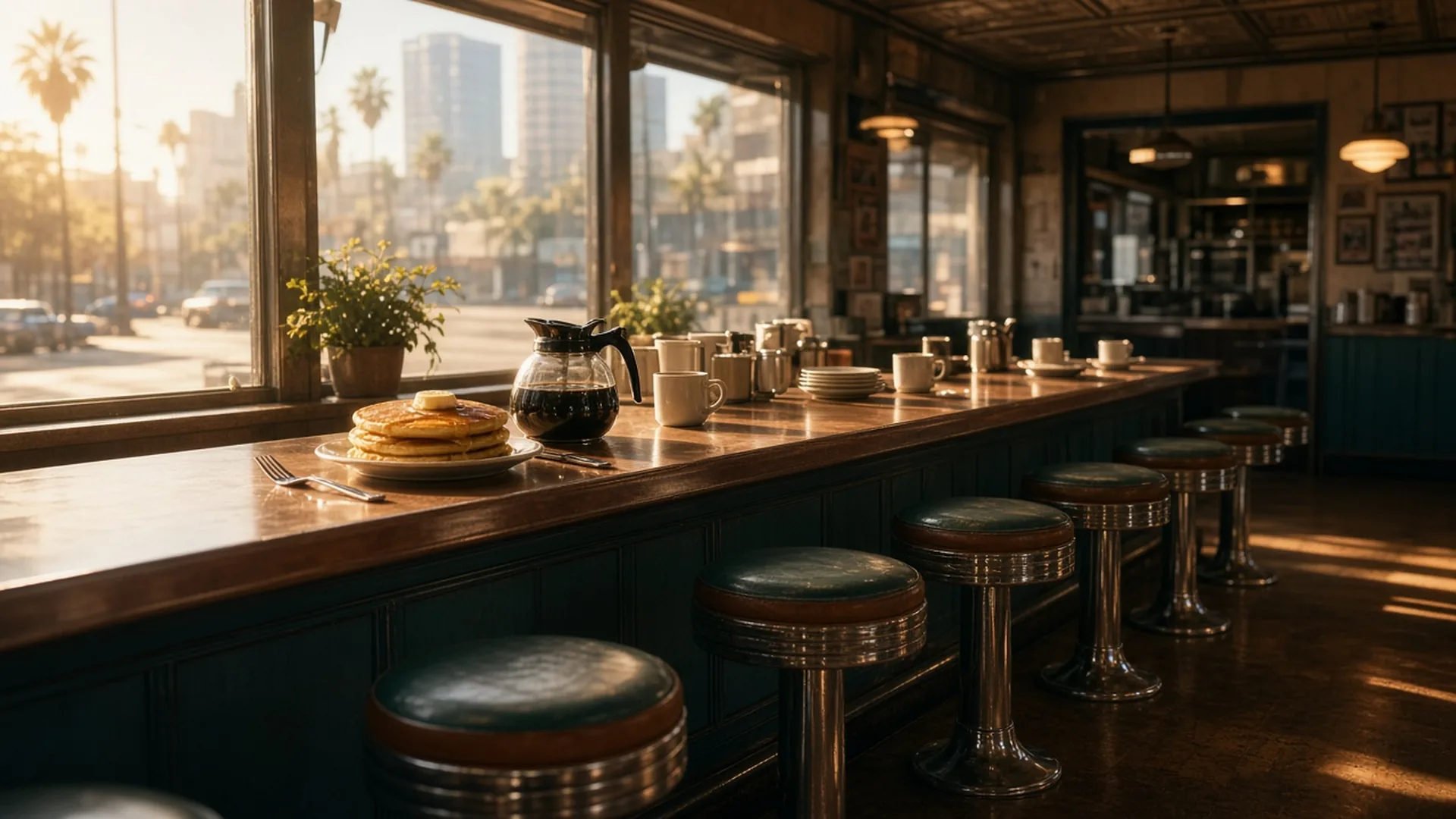
One of downtown Los Angeles's best-known restaurants is coming back. The Original Pantry Cafe, founded in 1924, will reopen November 19 after being closed for more than a year and a half, according to the Los Angeles Times. The ribbon cutting is scheduled for 10 a.m. at 877 S. Figueroa St.
For restaurant owners and anyone thinking about reviving a legacy brand, the reopening is a detailed case study in what it takes to bring a place back without losing what people loved.
How it closed, and who is running it now
The Times reports the diner closed abruptly on March 2, 2025, following pandemic-era hardships and a labor dispute. The building was owned for years by former Mayor Richard Riordan, who died in 2023 and left the property to a trust. Real estate developer Leo Pustilnikov bought the nearly 8,000-square-foot building in September 2025.
Pustilnikov did not plan to run it himself. He tapped Hope the Mission, a San Fernando Valley-based nonprofit that serves people experiencing homelessness, to operate the restaurant, in part for its ability to cook at high volume. The Times says the nonprofit prepares 3.8 million meals a year and that all of the restaurant's proceeds will benefit its programs, shelters and staffing. The new slogan: "Come in for the food. Leave having done something good."
Delays that any builder will recognize
The reopening was originally planned for New Year's Eve. The Times reports a car crashed into the building weeks after Pustilnikov received the keys, which added six months of permitting and repairs, and further permitting delays pushed the date into November. Hope the Mission founder Ken Craft says the new countertops, flooring, tables, chairs, kitchen equipment and maintenance cost roughly $800,000.
The lesson for operators: build a schedule with slack. Permits, inspections and unexpected repairs can easily double a timeline, and rent or carrying costs continue in the meantime.
Labor: a deal reached in weeks
The labor dispute helped bring the Pantry down, so how the team handled it matters. According to the Times, the union UNITE HERE Local 11 said negotiations with the former owners had dragged for one to two years, but talks with Pustilnikov and Hope the Mission were resolved in weeks. A new contract is in place. Thirteen of the 21 employees at the time of the closing are returning, the union said, with free family health insurance, a pension and job security. The union is also in talks with the nonprofit about training people in its programs.
Updating a classic without breaking it
The Times describes a menu that stays recognizable but changes how food is made. The new team wants to make everything in-house, focusing on baked goods. Pancakes that used to come from a mix are being rebuilt from scratch. A fried chicken sandwich will feature kimchi, and the Denver omelet will use poblano peppers. The famous sourdough will still come from Frisco Baking Co., as it did for decades, though the team hopes to bake its own eventually.
Some operational changes are practical. The diner had already stopped being 24/7 before the closure; the new team will serve from morning to dinner at first and hopes to return to always-open hours later. The cash-only policy is over, though a cashier will still work the old caged register for guests who want to pay in cash. New tables and chairs are vintage-inspired but allow more seating. Original menus and photos found during cleaning now hang on the walls.
Five takeaways for LA restaurateurs
Protect the signature items. Pancakes and coleslaw stay, even as the recipes change behind the scenes. Customers forgive updates to what they cannot see more readily than changes to what they order.
Keep your people. Bringing back familiar staff preserves relationships that regulars come for.
Use partnerships to solve capability gaps. An owner with real estate experience paired with an operator with high-volume kitchens is a model worth copying.
Tell a clear mission story. A cause attached to every meal can give guests another reason to visit, as long as the food itself delivers.
Modernize payments and hours carefully. Take cards, but keep the touches regulars associate with the place.
What to watch
Opening day is only the beginning. Costs, staffing and whether the team can restore round-the-clock service will determine whether this revival lasts a century, as its new owner hopes. For now, it is a rare reopening where the labor, ownership and menu questions have all been answered in public before the doors open.
Details come from the Los Angeles Times reporting cited above.