

PodcastOne's Meltzer Deal: What LA Podcasters Should Ask Before Signing
Beverly Hills-based PodcastOne signed a two-year deal for David Meltzer's two podcasts. Key questions L.A. podcasters should ask before a network deal.
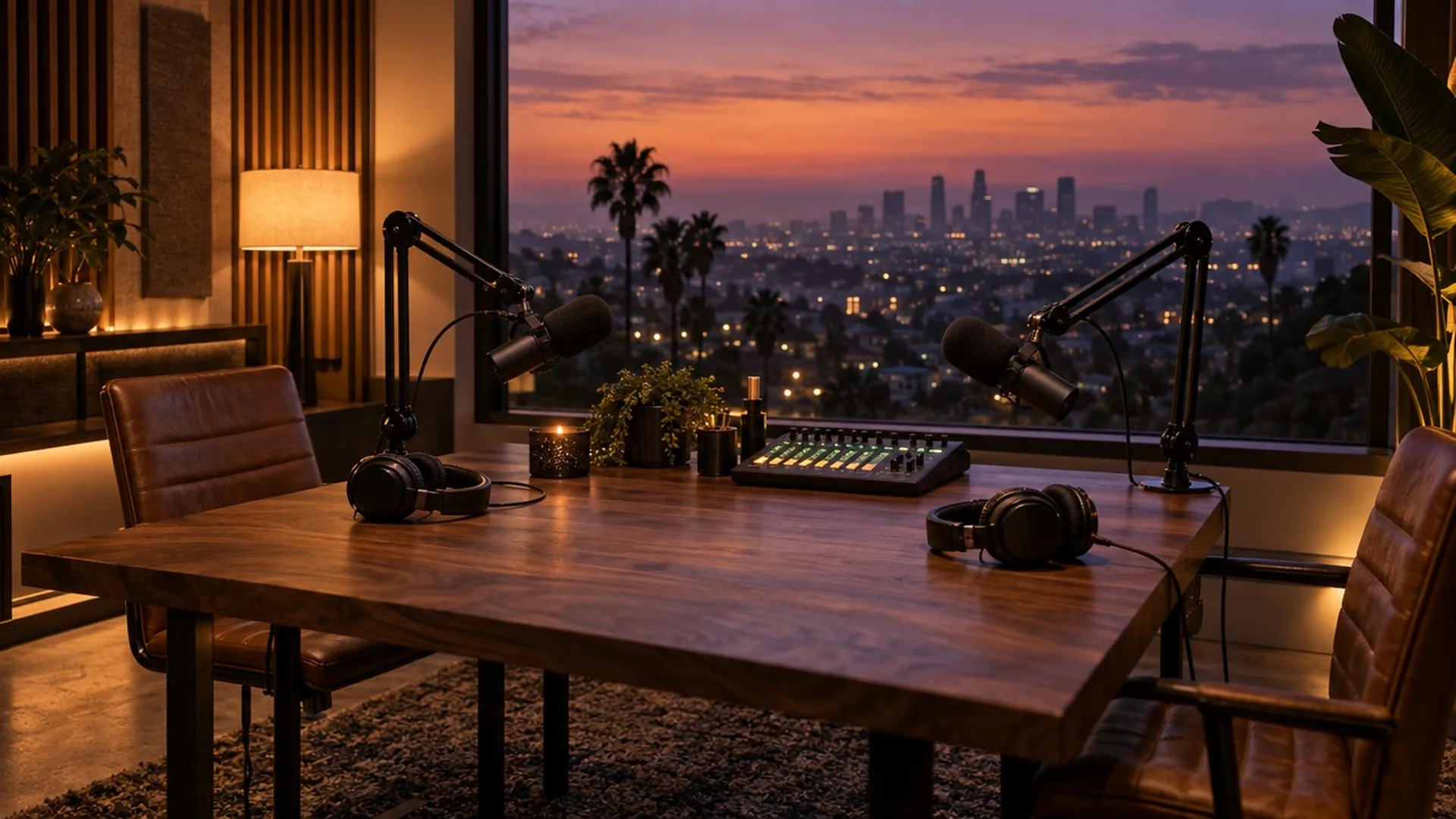
Beverly Hills-based PodcastOne has added two more shows to its roster, and the way the deal is structured offers a useful checklist for any L.A. podcaster weighing a network offer.
On Nov. 20, PodcastOne (Nasdaq: PODC) announced an agreement to acquire "The Playbook" and "Office Hours," two interview podcasts from entrepreneur, author and former Leigh Steinberg Sports & Entertainment CEO David Meltzer. The announcement calls it an acquisition, but the details describe something closer to a production and distribution commitment, and that difference is worth understanding.
What the deal covers
According to the release, the initial agreement runs two years and calls for five new episodes of each show every week. That's 10 episodes a week, about 520 a year and more than 1,000 over the term. PodcastOne supplies distribution and advertising sales, and the two sides plan integrated sponsorships, branded content and cross-platform campaigns built around Meltzer's personal brand.
The shows come with scale. The companies say they have generated 30 million downloads, with more than 2,600 episodes of "The Playbook" and nearly 2,000 of "Office Hours" in their libraries. "Office Hours" also includes a group of spin-off series with other hosts.
What the announcement leaves out is just as important. As Net Influencer noted, no financial terms were disclosed, and the release doesn't say whether PodcastOne takes ownership of the shows' intellectual property or back catalog, or what rights apply after the two years end.
A network that is buying, and may be sold
PodcastOne has been on an acquisition streak. Podcast News Daily reported that the Meltzer shows and the pop-culture podcast "Fluently Forward" brought the company to 18 new podcasts added in 2026. The company reported first-half fiscal 2027 revenue of $31.5 million, which it called a record.
At the same time, PodcastOne said in late October that it had received acquisition interest from multiple strategic parties. A special committee of independent directors is weighing its options, including a possible sale, and no deal has been announced. In that announcement, the company listed its content library, possible AI training and data licensing uses, and TV and film opportunities as sources of value, according to Net Influencer.
For creators, that context matters. A network that may change hands, and that sees catalogs as possible AI and licensing assets, is a partner whose contract terms deserve a close read.
Questions to ask before you sign
The Meltzer deal is one creator's choice, and it may be a great fit for a host who wants to produce at high volume and hand off ad sales. But it highlights the points any L.A. podcaster should pin down before signing with a network.
Who owns what? Get it in writing whether the network is licensing your show, buying it outright, or just selling ads around it. Spell out who owns the feed, the name, the back catalog and the episodes made during the deal.
What happens when the term ends? Two years goes fast. Know whether you can take the show and its feed elsewhere, whether the network keeps the right to run old episodes with its own ads, and whether it has a right to match outside offers.
Can you hit the episode count? Ten episodes a week is a newsroom-level output. Volume commitments drive production costs, guest booking and burnout. Make sure your team can deliver the number before it becomes a contractual obligation.
How is the money split? Ask how ad revenue is divided, whether there is a minimum guarantee, how host-read ads are priced, and who controls sponsor categories. If you already have direct sponsors, clarify whether you can keep them.
Who controls video and clips? Many podcasts now earn as much on YouTube and short-form video as on audio. Clarify which platforms are covered and who owns the clip channels.
What about AI and data licensing? If the network sees AI training or data licensing as a source of value, your contract should say whether your voice, transcripts and archive can be licensed that way, and whether you get approval and a share.
What if the network is sold? Look for change-of-control language. If the company is acquired, you want to know whether your deal moves to the new owner automatically and whether you have an exit.
The bigger picture for L.A. creators
Networks are again paying up for established shows with loyal audiences, especially in business, comedy and entertainment. That is good news for Los Angeles hosts who have built a following on their own. Their leverage is highest before they sign, so the time to decide what to keep is at the start.
A podcast entertainment attorney or an experienced manager can be worth the fee on a multiyear deal. The Meltzer agreement shows how much a contract can promise, and the open questions in its announcement show how much can go unsaid.
Sources: PodcastOne/Anderson Group PR release, Nov. 20, 2026; Net Influencer, Nov. 23, 2026; Podcast News Daily, Nov. 11, 2026; PodcastOne investor relations; PodcastOne Form 10-Q, SEC.