

Netflix Is a Joke Studios: What It Means for LA Comedians and Producers
Netflix launched NIAJ Studios, a comedy incubator, with Nikki Glaser as its first partner. What L.A. comedians, producers and club owners should know.
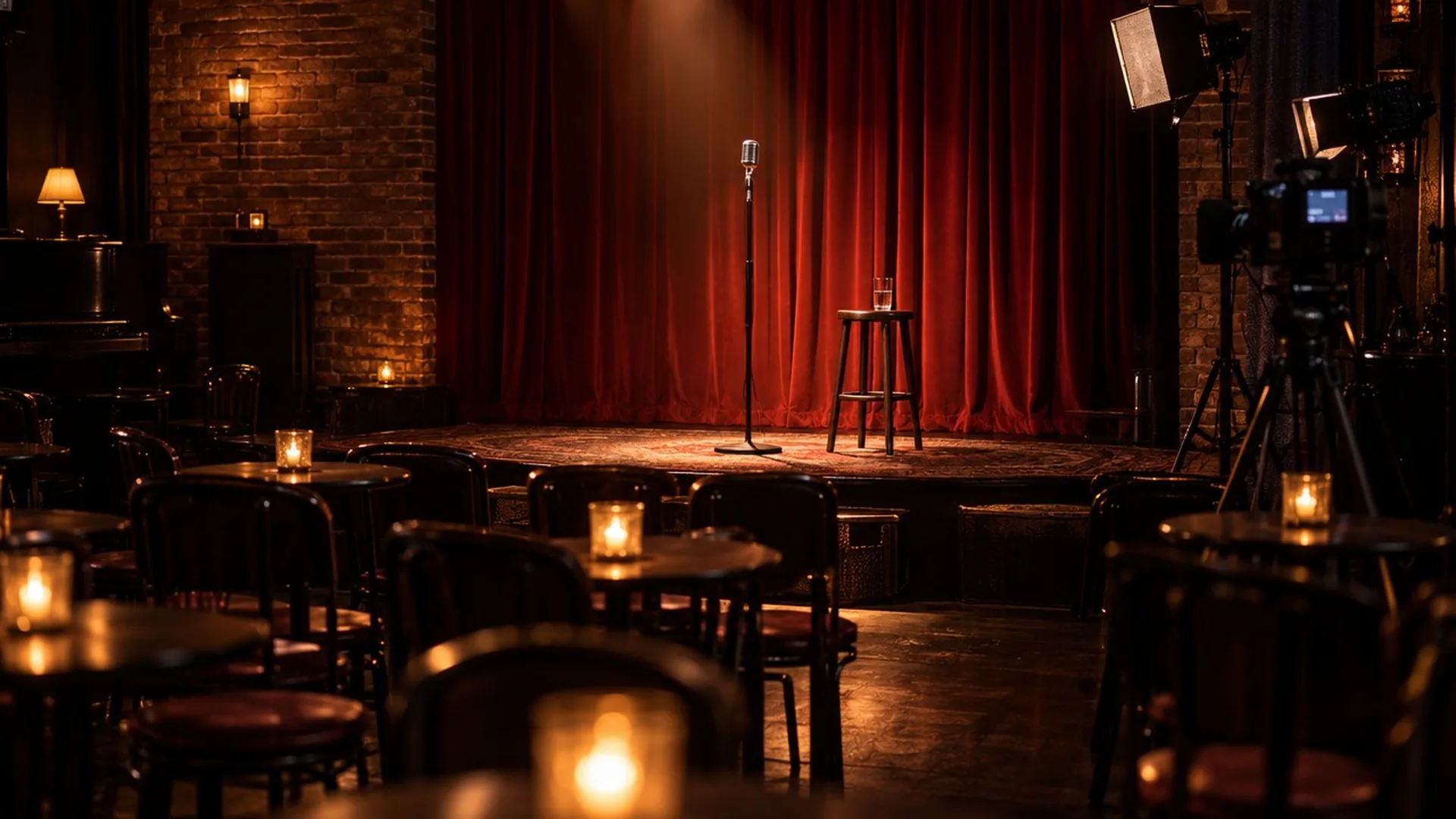
Los Angeles is one of the country's comedy capitals, and many of its comedians are effectively running a small business: booking shows, selling tickets and merch, producing podcasts and clips, and pitching bigger projects. On Nov. 19, Netflix gave that world a new door to knock on. The streamer announced Netflix Is a Joke (NIAJ) Studios, an in-house incubator and production studio built around comedy talent, and signed Nikki Glaser as its first partner.
What Netflix announced
Netflix describes NIAJ Studios as a holistic approach to comedy talent across multiple formats. The studio will develop projects with stand-up comedians beyond the stage, including scripted comedies and original formats, with both established stars and emerging voices.
Under the first deal, Glaser will develop an original scripted series to star in, and she will star in and executive produce two stand-up specials exclusively for Netflix. Gloria Sanchez Productions has signed on to executive produce the scripted series. Financial terms were not disclosed.
Deadline reported that the studio was first mentioned in an October story about restructuring at Netflix. Glaser's relationship with the company goes back to her first Netflix special in 2019 and includes appearances at the Netflix Is a Joke Fest and The Roast of Tom Brady in 2024.
"Netflix Is a Joke has always celebrated comedy in all its forms, and NIAJ Studios is the next step in our commitment to this community," Robbie Praw, Netflix's vice president of stand-up and comedy formats, said in the announcement.
Netflix Is a Joke already operates as a brand across several channels: stand-up specials, the biennial Netflix Is a Joke Fest in Los Angeles, a YouTube channel and a SiriusXM radio channel. Netflix also pointed to comedians who moved from specials to their own series on the service, including Nick Kroll, Shane Gillis, Bert Kreischer and Leanne Morgan.
Why it matters for L.A.'s comedy economy
Comedy runs on a ladder: open mics, club spots, festival sets, a special, then maybe a show. What Netflix is describing is an in-house studio that looks for stand-up talent and develops it across formats, rather than buying one special at a time. For L.A. comics and the businesses around them, that has a few practical implications. These are our own observations, not terms of Netflix's program.
Your stage act is a proof of concept. Netflix's announcement frames stand-up as a starting point for scripted series and new formats. Comedians who can clearly explain how their voice works as a show, with characters, a setting and an ongoing story, are better prepared for development conversations than those who only have an hour of material.
Formats are an opportunity, not just series. The studio says it will create "original formats." Roasts, panel shows, live variety and hybrid specials are all formats that small L.A. production companies and comedy collectives already experiment with on YouTube and at local venues. A tested format with a track record, even a small one, is something you can pitch.
Own what you build before you sign. An incubator deal can be valuable, but founders of comedy businesses should know what rights they are offering. Before you sign any development deal, clarify who owns the format, characters and clips, how long exclusivity lasts, and whether you can keep running your podcast, YouTube channel or live show. A good entertainment lawyer is worth the fee.
Build the team that makes you "deal-ready." Glaser's scripted series comes with an established producing partner attached. Emerging comedians may not have that yet, but writers, producers and editors you trust make it easier for a studio to say yes. Netflix said NIAJ Studios will work with emerging voices too, so that preparation matters at every level.
Clubs and festivals are the scouting ground. In the announcement, Praw recalled meeting Glaser in a small comedy club 20 years ago. L.A. comedy clubs, independent showcases and festivals remain where executives find talent. For venue owners and promoters, curated showcases and good recording and clip capabilities can make a room more valuable to both comics and the industry.
Diversify while you wait. Development deals are slow and many projects never get made. Touring, ticketed live shows, merch, Patreon-style memberships and podcast sponsorships keep a comedy business running in the meantime, and a strong direct audience also gives you leverage in any negotiation.
The bigger picture
The launch comes as traditional film and TV production in Los Angeles remains under pressure; a county report this week found local screen-industry jobs down more than a third since 2022. Stand-up talent already builds audiences across clips, podcasts and live shows, and Netflix is now formalizing a path from that work to its own productions. For the city's comedians, producers and venue operators, NIAJ Studios is a new buyer worth knowing about. The comics who treat their act as a business, with clear ownership, a team and their own audience, will be in the best position to take a meeting.
Sources: Netflix, Nov. 19, 2026; Deadline, Nov. 19, 2026; LA County Department of Economic Opportunity, Nov. 16, 2026.